
Image created in Midjourney and Adobe Photoshop by the author
First published: August 26, 2024 by Paul W. Romero
What motivates us to do something? Is it a reward, an experience, or an adventure? Is it the feeling of doing good or participating in a cause greater than ourselves? Motivation can come in a variety of ways whether it be physical, mental, or spiritual.
During my younger days, I volunteered for several nonprofit organizations including soup kitchens, food pantries, and online and in person canvassing. What motivated me to do this? For one, I wanted to give back to communities that had already give something to me. I wanted to help others because I felt I could make a difference. I wanted to engage in community activism because I wanted to play my part in changing the world. I was excited when I saw the joy that my actions brought to others. In return I felt joy, gratification, and a yearning desire to share my efforts, experiences, and newfound knowledge with others.
On that note, let’s that this concept one step further and ask ourselves, what motivates our audiences? How can we motivate them to participate in cyberactivism? Let’s look at a case study by Mahoney and Tang (2016) on Breast Cancer Awareness Month and breast cancer memes.
Harnessing Humor for Hope
Every October, businesses and individuals participate in celebrating and spreading awareness of National Breast Cancer Awareness Month. They do this through various methods such as fundraising campaigns, volunteer work, donations, and spreading awareness online via social media. One such instance included the creation of breast cancer memes on Facebook.
Mahoney and Tang (2016) state, “One of the most popular breast cancer Facebook memes was a private message request where females were asked to put a single color as their status update. The message asked females to choose a color that was the same as the bra that they were wearing” (p. 71). This was just one of a few ways in which breast cancer memes were created on Facebook.
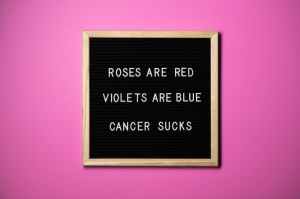
Memes That Matter
Personalization is a strong quality when it comes to promoting user-generated content.
What made the Facebook breast cancer awareness meme so viral in nature was its ability to be customizable to everyone who participated in creating one. Personalization is a strong quality when it comes to promoting user-generated content. By showing everyone that they have something of unique value to bring to the conversation, and that they can customize their contributions in fun and creative ways, companies are more likely to motivate their users to participate in a cause. Everyone feels satisfaction in contributing to a good cause, and they can share this with their friends and family who will want to join in on the action and share their contributions further with other friends and family.
Mahoney and Tang (2016) state, “One of the reasons these calls hold so much virality is because individuals like the idea of others associating them with charity or a good cause. Humans want to do the right thing, and if the call is to simply ask you to push a button to “like” a status, we don’t mind obliging” (p. 71). Furthermore, Mahoney and Tang (2016) state, “These memes are very successful at diffusing a message and getting individuals to participate. They are filled with fun personalization. Individuals who share the message feel good about doing their part to spread breast cancer awareness” (p. 72).
The Caveat
Although this social media meme did spread awareness, there were a few setbacks to this approach. There were no real indicators as to just how much of the donations received for the cause were contributed to online memes, and some people were confused by what the memes actually meant. Mahoney and Tang (2016) state, “…It is difficult to link the cause to donation” (p. 72). Furthermore, Mahoney and Tang (2016) state, “The problem with these types of diffusion-centric campaigns is that they are not linked to real-life action. These types of memes allow individuals who want to help spread breast cancer awareness to put their efforts into a vague Facebook status instead of something more useful to the cause” (p. 73). Lastly, Mahoney and Tang (2016) state, “Nonetheless, breast cancer campaigns do little to actually spread tangible information regarding the initiative’s goals, even though these viral campaigns put great efforts into disseminating prevention and self-check information to the general public” (p. 73).
So how can we approach this sort of mobilization more effectively? How can we create awareness and mobilization that will result in more donations, more activism, and more solutions to causes such as breast cancer awareness?
Memes With Meaning
Mahoney and Tang (2016) state, “Most every organization would benefit more from messages that were tied to practical real-life mobilization efforts. These could include volunteering, donating money, signing a petition, or writing a letter. Often, these can be accomplished with just a simple click of a button as awareness-only techniques” (p. 73). Mahoney and Tang (2016) also state, “Through more action-orientated mobilization approaches, your message will transform audiences into more interested, knowledgeable and vested advocates for your cause” (p. 73).
How can we create emotional real-life experiences for users in order to ensure mobilization success?
Mahoney and Tang (2016) state, “The opportunity for mobilization is only possible if companies are willing to give up control of their brand narrative and allow users to not only participate but also design, create and produce media content. This requires a strong and trusted mission statement” (p. 71). Mahoney and Tang (2016) continue to state, “With this type of strategy, a shoe becomes a social change movement, a potato chip becomes a vote to change someone’s life, and an audience becomes a marketing executive who is able to control a brand narrative” (p. 71).
Speak to Emotions
Cyberactivism and other prosocial movements have a natural advantage to social media mobilization because they are all about emotions. Mahoney and Tang (2016) state, “Every person has their own cause that is close to their heart, and we often feel these things speak closely to our life experience and identity. Therefore, we are eager to share cyberactivism efforts with our own-networked community and ask them to join. These calls for awareness filled with empathetic emotional appeals spread quickly” (p. 71).
You can grow a person’s body and a person’s mind, but if you grow a person’s will then you’ve done something entirely different.
By appealing to our audiences’ hearts and not just their minds, we create a deeper understanding and purpose which solidifies our authenticity.
You can grow a person’s body and a person’s mind, but if you grow their spirit then you’ve done something entirely different. You’ve created something far more powerful than strength or knowledge. You’ve created motivation. How can you stop someone who is committed and willing to do whatever it takes to achieve a goal? This ties into the theme of my previous blog post “How Warby Parker Turned Social Media into a Sales Powerhouse” about behavior change and battling cognitive dissonance.

We must reach out to our audiences on a deeper level and connect with them on a more personal rather than intellectual state. Build a foundation, establish a connection, and create a relationship by having a conversation with each individual. Remember the adage, “it takes two?” Well so goes with brands and audiences.
Mahoney and Tang (2016) state, “Clearly, creating social media content becomes a much more powerful part of our schemata for interpretation. Once your audience invests their own time, energy, and sometimes even money, the stakes are higher. These efforts become a part of their life experience and personal identity, and play a critical role in brand advocacy” (p. 67).
Work Cited
Mahoney, L.M., & Tang, T. (2016). Strategic Social Media: From Marketing to Social Change. John Wiley and Sons.
Share this:
#thinkpink #snhusmm #paulwromero
 Paul W Romero
Hi Paul,
It’s great to hear a little bit more about you, with you giving us a background into your life through volunteering and non-profits. This background bridges into cyber activism, giving the reader a why behind the what in a real-life example outside of the case study. You give a good, detailed explanation of what cyber activism is as well as explain how connecting with your audience in an emotional manner can help bring about more cyber activism.
Your inclusion of headers and graphics help break down the sections into small, digestible chunks that give readers the ability to understand the content while keeping them engaged with your blog. Your drop quotes add emphasis on the messaging you’re trying to get across to readers while your font effects further highlight important aspects of your content. Good job!
LikeLike
Hello Paul,
I really enjoyed this. This was very well researched and you made great points to the psychology of how these types of movements work. To get a movement to work though you must have an avid group of people behind it. This type of movement that is mostly moved in secret seems to miss the point in my opinion. Why would you keep something you hope to spread behind a secret? Do you think that if this was more in the open it would have worked better or do you think this secrecy helped with it’s virality?
Eric Yates
LikeLike
Hi Paul
Your blog post does a great job of explaining what drives us to take action, especially in the digital world. The example of breast cancer memes shows how using humor and personalization can get people involved and spread a message quickly. However, it also points out that just raising awareness online isn’t enough. To make a real impact, we need to motivate people to take concrete actions, like donating or volunteering. The key is to connect with people on an emotional level, making them feel personally invested in the cause. When brands do this, they build stronger, more meaningful relationships with their audiences, encouraging them to not just participate, but truly support and advocate for the cause.
I enjoyed reading your post and how you have it laid out, with the use of images to break it up and also the use of a couple of stand out sentences and bolded words. I like how you tied the post into your last post on Warby Parker also. I thought that was clever. This is well done!
Kristen
LikeLike